Safety Security
Safety and security window films are engineered to reinforce existing glass, improve occupant safety, and reduce damage caused by accidental breakage, forced entry, vandalism, or impact. Unlike standard window films designed for comfort, energy efficiency, or aesthetics, safety and security films are built to address risk mitigation, vulnerability reduction, and physical protection across both residential and commercial environments.
Glass Protection for Homes, Businesses & Institutions in Ontario
When professionally installed, safety and security window films hold shattered glass together, preventing dangerous fragments from dispersing into occupied spaces. This reduces the risk of injury, limits access points during intrusion attempts, and helps contain damage in high-risk or high-traffic areas. The result is enhanced protection for people, property, and critical assets while maintaining the original appearance and transparency of the glass.

What Safety & Security Window Films Do
Glass is one of the most structurally vulnerable components in any building. When glass breaks whether due to impact, environmental stress, vandalism, or attempted intrusion it can create serious safety hazards, cause injury, and provide immediate access to the interior of a property.
This makes them a practical, long-term safety upgrade for homes, offices, retail spaces, schools, healthcare facilities, condominiums, and public buildings throughout Ontario.
How Safety & Security Window Films Work
Reinforce Existing Glass
Safety and security films add strength and flexibility to standard glass, helping it withstand force before failure. This reinforcement improves overall glass performance without replacing windows or altering building appearance.
Retain Glass Fragments During Breakage
When glass breaks, safety films help hold fragments together instead of allowing them to scatter into sharp, dangerous shards. This significantly reduces the risk of injury to occupants and limits damage to surrounding areas.
Slow Down Forced Entry Attempts
Security-grade films increase the effort and time required to penetrate glass during intrusion attempts.
Reduce Secondary Damage From Shattered Glass
By keeping broken glass largely intact, safety films help prevent secondary damage to people, equipment, furnishings, merchandise, and interior finishes particularly important in high-traffic or asset-sensitive environments.
Improve Safety in High-Risk and High-Traffic Areas
Safety and security window films are especially valuable in areas where glass breakage presents elevated risk, such as entryways, stairwells, railings, storefronts, lobbies, corridors, and public-facing spaces.
Benefits of Safety & Security Window Films
Shatter Resistance & Injury Reduction
One of the most critical benefits of safety and security window films is their ability to control glass fragmentation during breakage. When glass fails, it can shatter into sharp, high-velocity shards that pose a serious risk of injury. Safety window films are engineered to hold broken glass fragments together, keeping the glass intact even after impact.
Safety Upgrade
Safety window films provide continuous protection making them a powerful safety enhancement for both residential and commercial properties throughout Ontario.
Increased Resistance to Forced Entry
Security window films add strength to existing glass, making it significantly more difficult to penetrate during an attempted break-in. Safety and security films function as a critical mechanism that increases the time, noise, and effort required to breach glass.
How Security Window Films Improve Intrusion Resistance
Deters Intrusions
Most break-ins are opportunistic, relying on quick glass breakage for immediate access. Reinforced glass resists impact, discouraging intruders who are seeking entry.
Slows Down Forced Entry Attempts
When glass is struck repeatedly, security films keep it intact, even after cracking. This forces intruders to expend more time and effort to penetrate the opening, increasing the likelihood of abandonment or detection.
Provides Valuable Response Time
Security window films provide time for occupants to react, alarms to trigger, and security or emergency responders to arrive. This time delay is one of the most important factors in effective property protection.
Where Forced Entry Resistance Is Especially Important
Residential entry doors, sidelights, and ground-level windows
Retail storefronts and street-facing commercial glazing
Offices and professional buildings with after-hours exposure
Schools, healthcare facilities, and institutional environments
Properties in urban or high-traffic areas across Ontario
Accidental Impact & Environmental Stress
Glass failure is not always the result of intrusion or vandalism. In many cases, glass breaks due to accidental impact, environmental forces, or structural stress. Safety and security window films are designed to help control damage when these events occur, reducing risk and limiting the consequences of unexpected breakage.
By reinforcing the glass and improving its ability to absorb and distribute force, safety window films help maintain structural integrity even under demanding conditions.
Causes of Accidental Glass Breakage
Slams or Collisions
Sudden door slams, accidental body contact, or impact from carts and equipment can cause glass to crack or shatter. Safety films help retain the glass and reduce injury risk when these incidents occur.
Equipment or Furniture Impact
In homes, offices, retail spaces, and industrial environments, moving furniture, machinery, or tools can accidentally strike glass. Reinforced glass surfaces are better able to withstand these impacts and prevent dangerous fragmentation.
Structural Vibration
Vibration from earthquakes, construction, machinery, or transportation can place repeated stress on glass over time. Safety window films help stabilize glass behavior under these conditions, minimizing failure risk.
Impact Protection
Protection from accidental impact and environmental stress is especially valuable in:
Glass railings and guard panels
Stairwells and landings
Skylights and overhead glazing
Large window walls
Maintains Appearance & Natural Daylight
Safety and security window films are available in clear film that preserve the original appearance of the glass.
Unlike physical security measures such as bars, grilles, or shutters, safety and security films do not obstruct views, reduce daylight, or alter the visual openness of a space. This makes them well suited for environments where natural light, visibility, and aesthetics are essential, including homes, offices, retail spaces, healthcare facilities, and public buildings.
A Cost-Effective Alternative to Glass Replacement
Safety and security window films provide a meaningful performance upgrade at a fraction of the cost. By reinforcing existing glass, these films deliver many of the safety and security benefits of systems without replacing windows or modifying structures.
Installation is fast, and efficient, allowing properties to remain occupied and operational throughout the process. For many Ontario homes, businesses, and institutions, safety window films represent one of the most cost-effective ways to improve glass safety, reduce risk, and protect occupants without the expense and disruption of full glass replacement.
Types of Safety & Security Window Films Available

Safety Films (Shatter Control)
Safety window films are designed primarily to reduce injury and contain glass fragments when accidental breakage occurs. These films help keep broken glass adhered together rather than dispersing into sharp, dangerous shards.

Clear Safety & Security Films
Clear safety and security window films provide protection without visible change to the glass. Once installed, they are virtually undetectable. Clear safety films allow buildings to enhance protection without compromising appearance or occupant experience.
Security Films
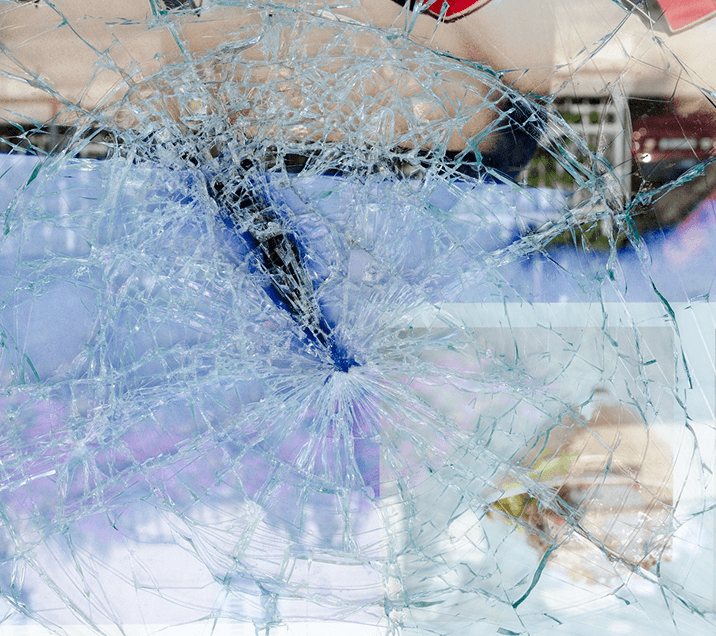
Security window films are manufactured in thicker, reinforced constructions to increase resistance to forced entry, repeated impact, and intrusion attempts. These films are engineered to withstand forced impact and help keep glass intact even after cracking.
They are commonly used in higher-risk locations, such as:
Ground-level windows and glass doors
Street-facing glazing and storefronts
Vulnerable or high-value areas
Commercial, institutional, and public-sector properties
Security films come with proper anchoring systems to maximize performance.
Where Safety & Security Window Films
Make the Biggest Impact
Residential Homes & Condominiums
Safety and security window films provide the greatest value in residential environments where glass exposure, daily use, and occupant vulnerability intersect. Modern homes and condominiums across Ontario increasingly feature large glass surfaces that enhance light and aesthetics but also introduce safety and security risks at times of break-ins.
Entry Doors and Sidelights
Glass entry doors and sidelights are among the most vulnerable points in a home. In the event of forced entry, untreated glass can break quickly and allow immediate access.
Safety and security window films reinforce these surfaces, helping hold glass together, slow down intrusion attempts, and reduce the risk of injury from shattered glass.
Large Window Walls and Patio Doors
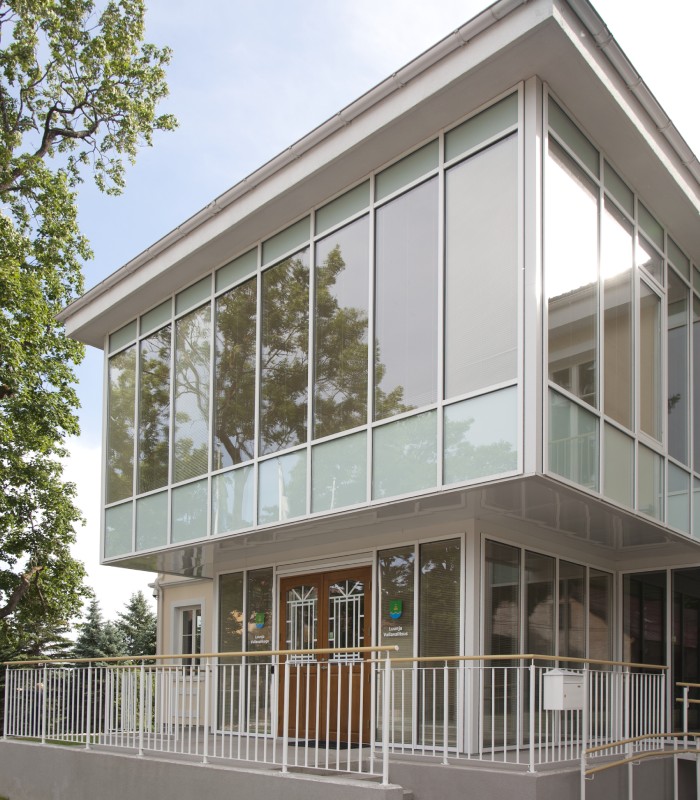
Homes and condominiums with expansive window walls or sliding patio doors benefit significantly from safety films. These large glass areas are more vulnerable to impact, and breakage due to their size and exposure.
Glass Railings and Stairwells
Glass railings, stairwells, and guard panels are safety-critical elements in modern residential design. Breakage in these areas poses a injury risk due to elevation changes and foot traffic.
Safety window films improve glass retention and help reduce the likelihood of dangerous fragmentation, providing an added layer of protection without compromising transparency or modern design standards.
Child- and Senior-Occupied Spaces
In homes with children or elderly occupants, injury prevention is a primary concern. Unexpected impacts increase the risk of glass breakage.
Safety and security window films help reduce injury severity by containing broken glass, making them an effective safety upgrade for family homes, multi-generational residences, and senior-occupied units.
Commercial & Office Buildings
Safety and security window films protect commercial and office environments. Modern commercial buildings across Ontario rely heavily on glass for transparency, daylight, and architectural appeal making them a target for robberies.
Ground-Level Glazing
Ground-level windows and doors are among the most vulnerable points in commercial buildings. These areas are more exposed to forced entry attempts, accidental impact, and vandalism. Safety and security films reinforce the glass, helping to prevent intrusions.
Lobbies and Reception Areas
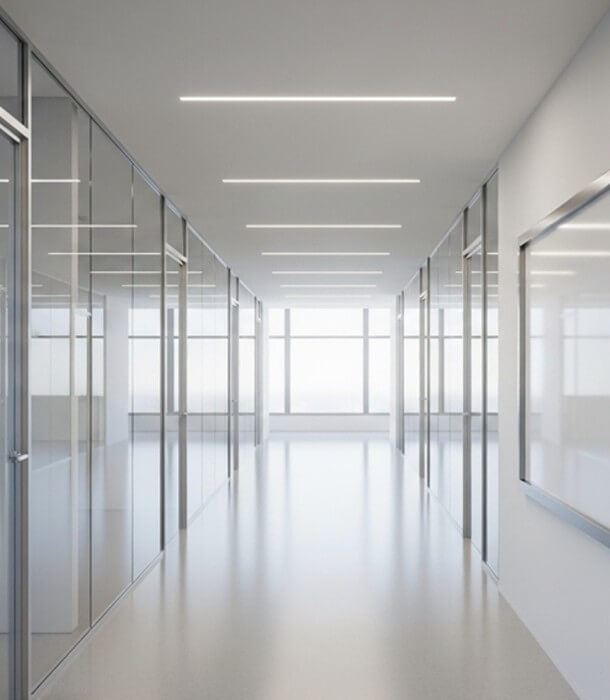
Lobbies and reception areas are high-visibility, high-traffic zones that have large glass panels. Breakage in these areas poses a significant safety and liability risk due to constant public access.
Safety and security window films help protect occupants and visitors by controlling glass fragmentation and maintaining a safer public-facing environment without introducing visible security barriers.
Healthcare, Education & Institutional Facilities
Healthcare, educational, and institutional buildings require a heightened focus on injury prevention, and forced entry through glass.
Patient Rooms and Corridors
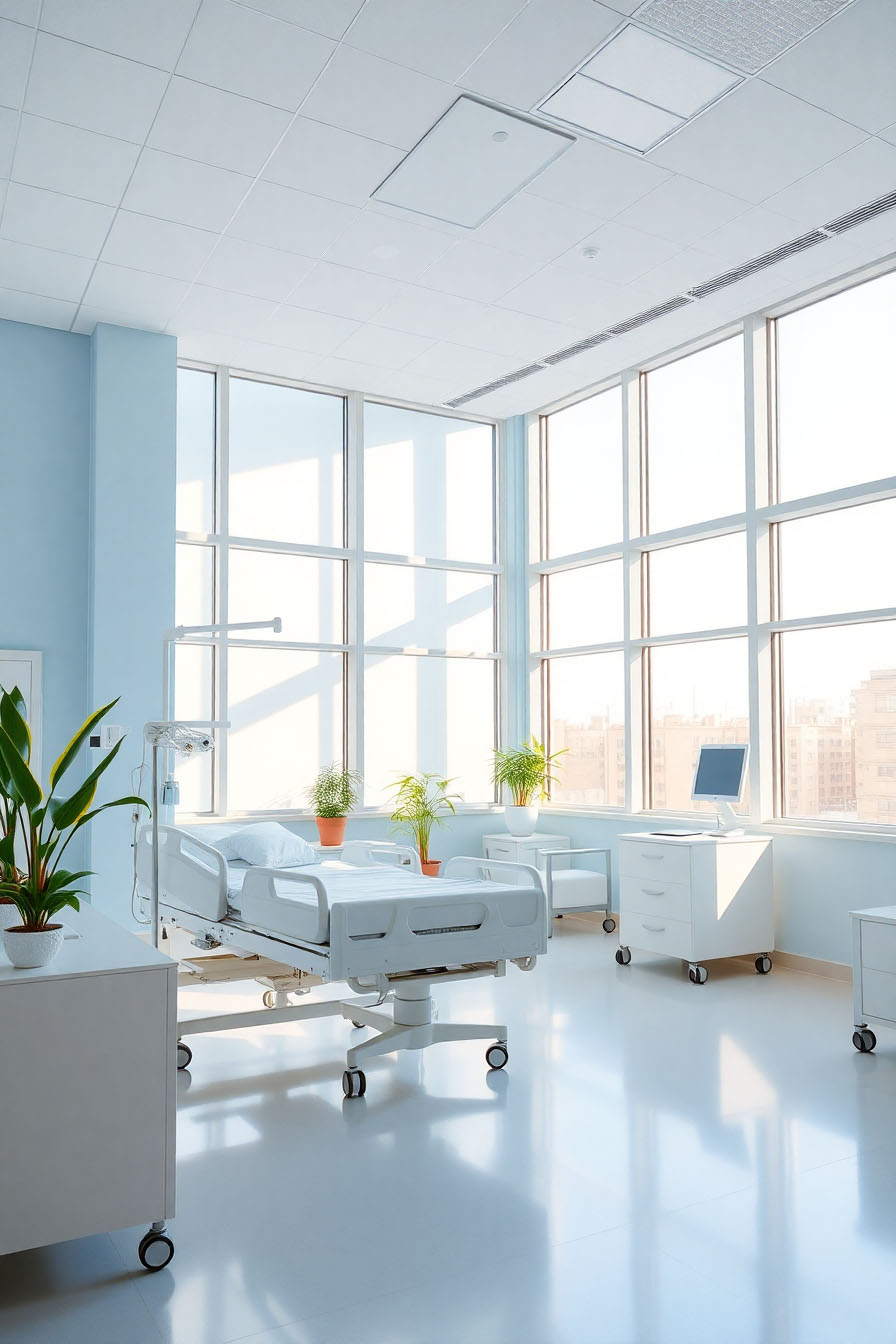
In healthcare environments, glass is often used for visibility and light transmission. Safety films help reduce injury risk in patient rooms and corridors by ensuring glass remains contained if broken.
Classrooms and Common Areas
Schools and educational facilities rely on glass for openness and supervision. Safety window films help protect students, staff, and visitors by reinforcing glass in classrooms, hallways, and shared spaces where intruders may attempt to break-in.
Retail & Public-Facing Properties
Storefront Windows
Large storefront windows are highly exposed to vandalism, and forced entry attempts. Safety and security films help reinforce these surfaces, reduce glass-related injury risk, and prevent intrusion without obstructing visibility or branding.
Display Glass
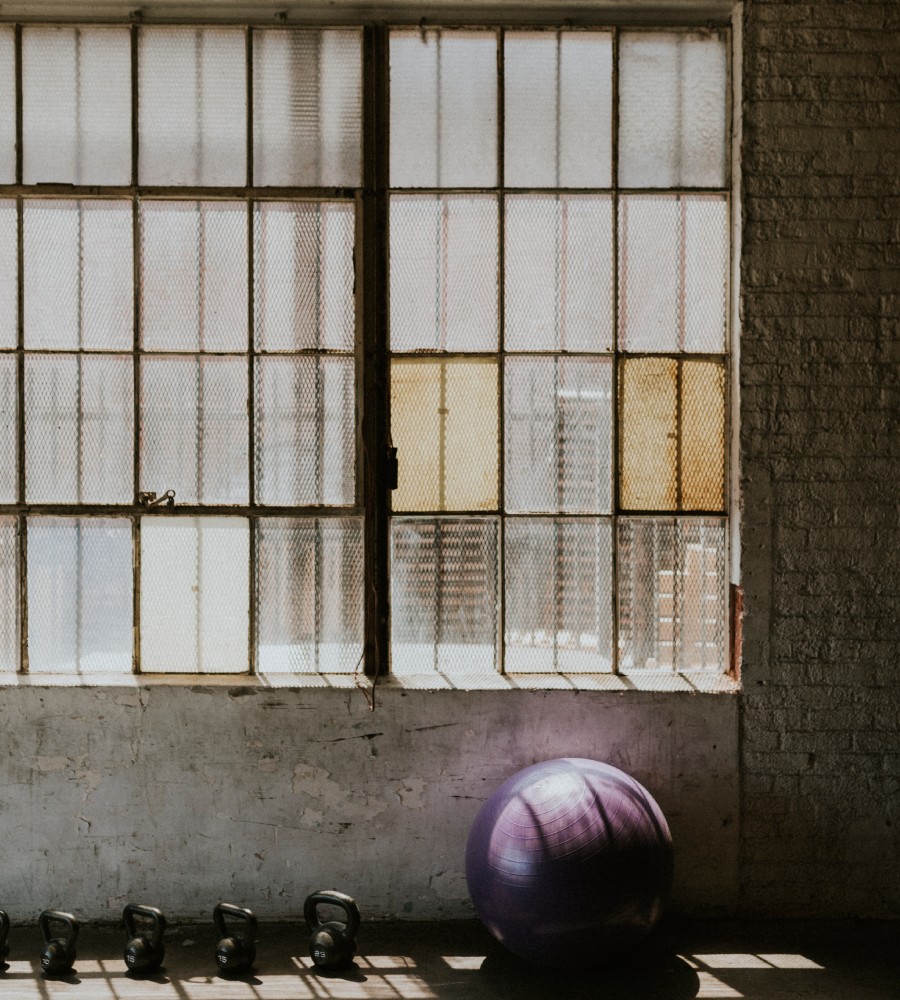
Retail display windows often contain valuable merchandise and require maximum visibility. Safety films protect these glass surfaces from breakage and reduce damage while maintaining clear, unobstructed views.

Safety & Security Window Films vs.
Other Glass Protection Methods
Safety & Security Films vs. Bars, Grilles, or Physical Barriers
Physical security measures such as bars, grilles, shutters, or cages can provide deterrence, but they often block visibility, reduce daylight, and significantly alter the appearance of a building. In residential settings, they can feel intrusive, while in commercial or public-facing environments they may conflict with branding, design standards, or accessibility requirements.
Safety and security window films provide protection without changing the look or feel of the space. They preserve clear views, natural light, and architectural intent while reinforcing the glass itself.
Safety & Security Films vs. Alarm Systems Alone
Alarm systems are an essential part of security, but they are reactive by nature. They alert occupants or authorities after glass has been broken and access has already occurred. Alarms do not prevent forced entry, they only let you know.
Safety and security window films work before and during an incident. By holding glass together and increasing resistance to penetration, they help reduce injury, slow down entry attempts, and limit damage while alarms handle notification and response.
Our Safety & Security Window Film Installation Process
All safety and security installations follow strict preparation, application, and inspection standards to ensure performance, adhesion, and long-term durability.
Assessment & Risk Evaluation
We assess glass type, location, exposure, usage, and risk factors to determine the appropriate film specification.
Surface Preparation
Glass is thoroughly cleaned and prepared to ensure proper bonding and clarity.
Precision Installation
Films are installed using professional tools and techniques to ensure uniform coverage, clean edges, and optimal strength.
Curing & Performance Check
Curing conditions are monitored and the installation is inspected for clarity, adhesion, and finish.
Final Review
Completed work is reviewed with the homeowner, business owner, or facility representative, including care and performance expectations.
Frequently Asked Questions
Safety & Security Window Films in Ontario
What are safety and security window films?
Safety and security window films are professionally installed films applied to the interior surface of glass to improve how it behaves when broken. They help hold shattered glass together, reduce injury risk, slow forced entry attempts, and limit damage without replacing existing windows or altering appearance.
What is the difference between a safety film and security film?
- Safety films (shatter-control) focus on injury prevention by holding glass together during accidental breakage.
- Security films are thicker and reinforced to provide greater resistance to forced entry and repeated impact.
The correct option depends on whether safety, intrusion resistance, or both are priorities.
Are safety and security window films suitable for both homes and businesses?
Yes. Safety and security window films are widely used in:
- Residential homes and condominiums
- Office buildings and workplaces
- Retail and storefront environments
- Schools, healthcare, and institutional facilities
They are designed to work in both residential and commercial settings.
Where are safety and security window films most commonly installed?
They are commonly installed on:
- Entry doors and sidelights
- Ground-level windows
- Large window walls and patio doors
- Glass railings and stairwells
- Interior glass partitions
Storefront and street-facing glazing
Do safety and security films block visibility or daylight?
No. Most safety and security films are clear or low-visibility, preserving natural light and outward views. Unlike bars or grilles, they do not obstruct daylight or change the appearance of the space.
Are safety and security window films noticeable once installed?
Clear safety and security films are virtually invisible once installed and do not change the colour, reflectivity, or transparency of the glass.
Can safety films be installed on existing windows?
Yes. Safety and security window films are installed directly onto existing glass. No window replacement, structural modification, or demolition is required.
Are safety and security window films safe for double-pane or low-e glass?
When properly assessed and specified, safety and security films are safe for most modern insulated and low-e glass systems. A professional glass evaluation is always performed to ensure compatibility and performance.
Do safety window films provide UV protection?
Yes. Most safety and security window films block up to 99% of harmful UV rays, helping protect interiors, furnishings, flooring, equipment, and merchandise from sun damage.
Are safety and security films suitable for glass railings and stairwells?
Yes. These films are commonly used on glass railings, stairwells, and guard panels where injury risk from breakage is elevated. They help retain glass fragments and improve safety without compromising transparency.
Do safety films help with accidental impact and vibration?
Yes. Safety and security films help minimize damage from:
- Accidental collisions
- Equipment or furniture impact
- Structural vibration
- Temperature-related stress
They improve glass behavior during unexpected events.
How long do safety and security window films last?
High-quality safety and security films are designed to last many years when professionally installed and properly maintained. Longevity depends on exposure, application, and film type.
Do safety films meet building code or insurance requirements?
Safety and security window films can support risk mitigation and injury reduction, but requirements vary by building type and jurisdiction. We assess each project individually and can provide guidance based on application and usage.
Can safety and security films be removed in the future?
Yes. Window films are fully removable and do not permanently damage the glass when professionally removed, making them suitable for evolving needs or leased spaces.
Are safety and security films suitable for condominiums?
Yes. Safety and security window films are frequently used in condominiums and high-rise buildings because they:
- Preserve exterior appearance
- Improve interior safety
- Respect shared building guidelines
How long does installation take?
Most safety and security window film installations are completed within a few hours to one day, depending on the number of windows and complexity of the project. Installation is minimally disruptive.
Do safety films require special maintenance?
No. Safety and security window films require minimal maintenance and can be cleaned using non-abrasive solutions after the curing period.
Do you provide assessments and recommendations?
Yes. Every project begins with a professional assessment of glass type, exposure, risk factors, and usage. Film recommendations are tailored to ensure optimal safety and performance.
Do you service all of Ontario?
Yes. We provide safety and security window film solutions across Ontario, serving residential homes, commercial buildings, and institutional facilities.
Our Gallery



Get Started With Safety & Security Window Films in Ontario
Our safety and security window film solutions are designed to protect people, property, and assets—without compromising appearance or functionality.