Solar Control Window
Films for Commercial
Buildings
Solar control window films are a building-performance solution designed to regulate how solar energy enters commercial and industrial properties through glass. In Ontario’s commercial environments where buildings face high solar exposure, fluctuating seasonal angles, and heavy HVAC demand solar window films play an important role in improving operational efficiency and occupant comfort.
What Solar Control Window Films Do and Why They Matter for Ontario Commercial Buildings
Commercial glazing allows visible light, infrared heat, and ultraviolet radiation to penetrate interior spaces. Solar control films are engineered to selectively manage these wavelengths, reducing excess heat and UV radiation while maintaining usable daylight. The result is lower cooling loads, improved thermal stability, reduced glare in workspaces, and long-term protection of interior assets.
Heat Reduction During Peak Ontario Summer Conditions
In commercial buildings, unmanaged solar heat directly increases cooling loads, HVAC strain, and operating costs. Solar control window films reduce the amount of infrared heat entering through glass façades, helping stabilize indoor temperatures during Ontario’s hottest summer months.
Glare Control
Excessive glare in commercial environments negatively affects screen visibility, employee comfort, and customer experience. Solar control window films reduce harsh glare on monitors, production equipment, displays, and reflective surfaces without darkening interiors or obstructing exterior visibility.
Advanced UV Protection for Interior Assets and Finishes
High-performance solar control films block up to 99% of ultraviolet radiation, protecting commercial interiors from long-term UV damage. This includes flooring, furniture, wall finishes, displays, merchandise, and sensitive materials exposed to sunlight.
For retail environments, healthcare facilities, and corporate interiors, this protection helps preserve appearance, reduce premature replacement costs, and maintain brand standards over time.
Thermal Comfort in High-Exposure Work Zones
Commercial spaces with glazing, curtain wall systems, skylights, or overhead glass often experience heat buildup and temperature imbalance. Solar control films help regulate these conditions by reducing hot spots and improving overall thermal consistency across occupied areas.
Energy Efficiency
Solar control films are engineered to reduce heat gain while maintaining high visible light transmission, allowing businesses to preserve bright interiors without excessive solar load. This supports energy efficiency goals while maintaining workplace aesthetics and visibility.
For glass-heavy commercial buildings, this balance helps reduce cooling demand while maintaining daylight-driven environments that support productivity and occupant satisfaction.
Low-Maintenance Alternative to Interior Shading Systems
Traditional commercial shading solutions such as blinds and roller shades only perform when deployed and require ongoing maintenance, cleaning, and user management. Solar control window films operate passively and continuously, delivering 24/7 performance with no moving parts and no operational oversight.
Types of Solar Control Window Films for Commercial Buildings
Neutral Solar Control Window Films (Commercial Applications)
Neutral solar control window films are engineered to maintain the original appearance of commercial glazing while delivering reductions in solar heat gain and glare.
By balancing high visible light transmission (VLT) with effective solar energy rejection, neutral films reduce excessive heat and visual discomfort while preserving daylight penetration. This makes them well suited for commercial environments where architectural consistency, brand presentation, and occupant comfort must coexist.

Why Neutral Solar Films Are Used in Commercial Buildings
Minimal Impact on Building Appearance
Neutral solar films are designed to be low-profile and non-reflective, ensuring the exterior of the building retains its original glass colour and transparency. This is especially important for corporate offices, retail storefronts, and multi-tenant properties. From both street level and interior viewpoints, the glass maintains a clean, professional look without mirrored or tinted effects.
Balanced Heat and Glare Control for Work Environments
Neutral films reduce solar heat and glare without significantly darkening interior spaces. This helps stabilize temperatures in perimeter offices, conference rooms, and customer-facing areas while preserving outward visibility.
In commercial settings, this balance supports employee comfort, screen visibility, and customer experience without compromising daylight-driven interiors.
Daylight Preservation for Productivity and Design
Unlike darker or highly reflective films, neutral solar films allow natural light to enter the building. This supports modern commercial designs that prioritize daylighting, open workspaces, and visual transparency while still controlling harsh sunlight and eye strain.
Maintaining daylight levels is particularly important in office environments, healthcare facilities, and educational or institutional buildings.
Suitable for a Wide Range of Commercial Applications
Neutral solar control films are commonly used in:
- Corporate offices and professional buildings
- Retail storefronts and showrooms
- Healthcare and institutional facilities
- Multi-tenant commercial and mixed-use properties
- Buildings with architectural or zoning appearance requirements
Energy Performance Improvement Without Renovation
Using neutral solar films helps lower cooling demand during Ontario’s warmer months. This provides a cost-effective performance upgrade without window replacement, construction downtime, or disruption to occupied commercial spaces.
For many Ontario businesses, neutral films offer a practical way to improve energy efficiency while maintaining design intent and operational continuity.
Reflective Solar Control Window Films
Reflective solar control window films are designed with layers that actively reflect solar energy away from commercial glazing systems. This construction delivers maximum solar heat rejection, effective glare control, and daytime privacy, making reflective films one of the most powerful solutions for managing intense sunlight in commercial buildings.
These films are commonly specified for glass-heavy commercial properties across Ontario particularly those with curtain wall systems, and large window expanses where solar heat gain places sustained demand on HVAC systems.

Why Reflective Solar Films Are Used in Commercial Buildings
High-Level Solar Heat Rejection
Reflective solar films reject a significant portion of solar and infrared energy before it enters the building. This reduces heat buildup, stabilizes interior temperatures, and helps lower cooling demand during Ontario’s peak summer conditions.
For office towers, factories, retail centres, and institutional facilities, this translates into improved HVAC efficiency and reduced operational strain.
Daytime Privacy for Urban and Street-Facing Commercial Properties
The mirrored exterior finish of reflective films provides strong daytime privacy, allowing occupants to maintain clear outward visibility while limiting visibility from the exterior during daylight hours.
- Street-level offices and retail spaces
- Urban commercial buildings in dense environments
- Properties with close-proximity neighbouring structures
Daytime privacy is achieved without interior shading systems or visual obstruction.
Glare Reduction for Workspaces and Customer Areas
Direct sunlight can cause glare that interferes with computer monitors, production equipment, digital displays, and customer-facing environments. Reflective coatings significantly reduce glare intensity, improving visual comfort in offices, control rooms, meeting spaces, and retail interiors while still allowing usable daylight into the space.
Durable, Long-Term Performance for Commercial Use
Manufactured for commercial-grade applications, reflective solar films are designed to withstand prolonged sun exposure, high thermal loads, and continuous operation without fading, peeling, or discoloration. This ensures consistent performance, appearance, and ROI over the long term.
Durable, Long-Term Performance for Commercial Use
Dual-Reflective Solar Control Window Films
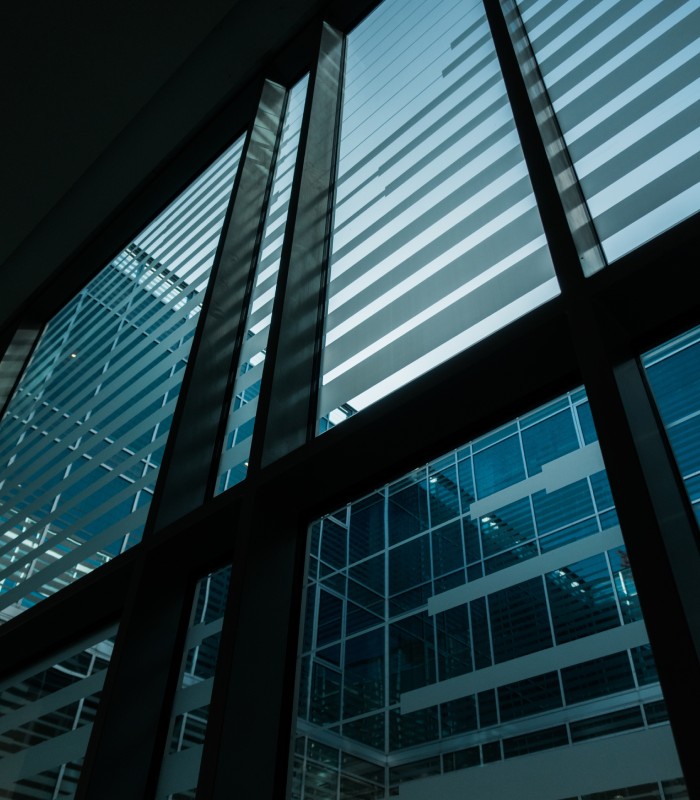
Dual-reflective solar control window films are engineered to deliver high solar heat rejection while maintaining a low-reflective, comfortable interior appearance. Dual-reflective technology is designed to balance building performance with interior visual comfort.
These films use a highly reflective exterior layer to block and reflect solar energy before it enters the building, combined with a low-reflective interior surface that preserves clear outward visibility for occupants. This makes dual-reflective films a preferred solution for commercial environments where heat control is critical but interior aesthetics and visibility must be maintained.
Why Dual-Reflective Solar Films Are Used in Commercial Buildings
High-Performance Exterior Heat Rejection
The exterior reflective layer of dual-reflective films deflects a substantial portion of solar and infrared energy away from the building. This improves thermal stability, and lowers cooling demand particularly during Ontario’s peak summer conditions. For office buildings, professional spaces, and client-facing environments, this translates into improved HVAC efficiency and more consistent indoor temperatures.
Neutral Interior Appearance for Workspaces
From the interior, dual-reflective films appear significantly less mirrored than traditional reflective options. This creates a more natural visual environment for employees, tenants, and visitors, allowing uninterrupted outward visibility without the distraction of strong interior reflections.
Reduced Interior Reflectivity During Evening Operations
Dual-reflective films minimize this effect, improving nighttime visibility and occupant comfort while maintaining strong daytime solar performance.
- Office buildings with extended operating hours
- Retail and commercial spaces open into the evening
- Urban buildings with interior lighting dominance after sunset
Effective Glare Control
Dual-reflective solar films reduce glare from direct sunlight while maintaining usable daylight levels. This supports screen visibility, visual comfort, and workspace productivity without over-darkening interiors or compromising daylight-driven design strategies.
Ideal for High-Exposure Commercial Windows
Dual-reflective films are commonly specified for:
- West- and south-facing commercial façades
- Glass-heavy office towers and headquarters
- Mixed-use developments and professional buildings
- Client-facing commercial spaces requiring both performance and aesthetics
Commercial-Grade Durability and Long-Term Performance
Designed for sustained commercial use, dual-reflective films are manufactured to withstand prolonged sun exposure, high thermal loads, and continuous operation without fading, peeling, or discoloration ensuring consistent performance and ROI over time.
Tinted Solar Control Window Films (Grey, Bronze & Smoke)
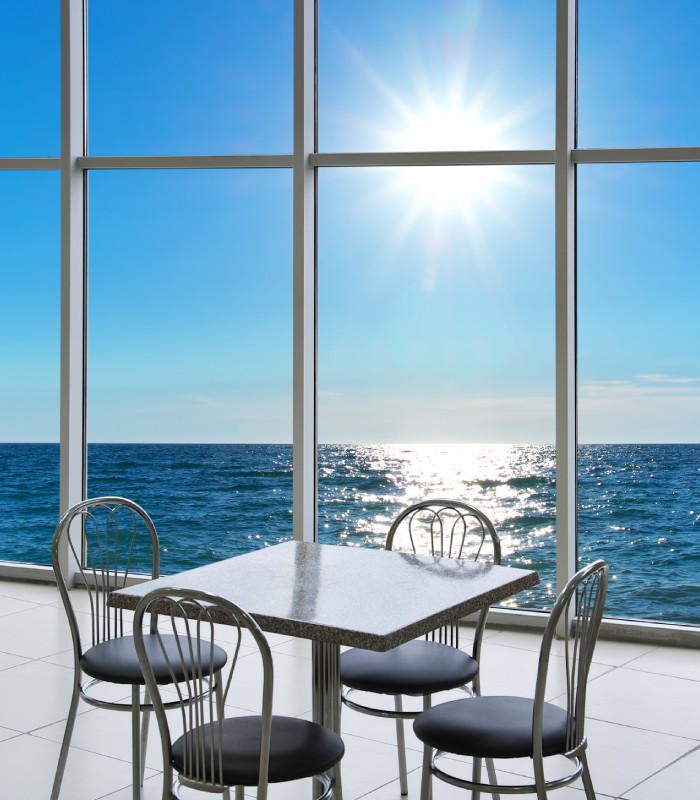
Tinted solar control window films are designed to absorb and manage solar energy while adjusting the visual tone of commercial glazing. Available in grey, bronze, and smoke finishes, these films are selected when glare control, visual comfort, and aesthetics are considerations in commercial environments.
By softening incoming sunlight and reducing excessive brightness, tinted films help create more controlled, visually comfortable interiors while adding a refined, professional appearance to the glass.
Why Tinted Solar Films Are Used in Commercial Buildings
Effective Glare Reduction for Work and Customer Environments
Tinted solar films significantly reduce glare caused by direct sunlight and reflective surfaces. This improves visibility on computer monitors, POS systems, digital displays, and production equipment, supporting productivity and comfort without relying on blinds or interior shading systems.
They are particularly effective in:
- Offices with prolonged screen use
- Retail storefronts and showrooms
- Hospitality and reception areas
- Commercial spaces with large window expanses
Visual Appearance With Multiple Tint Options
Tinted films allow businesses to select a finish that aligns with branding, architecture, and interior design goals:
- Grey offers a clean, modern, neutral look
- Bronze adds warmth and depth to façades
- Smoke provides a subtle, contemporary tone
Enhanced Visual Comfort for Occupants and Visitors
By filtering excessive brightness, tinted solar films reduce eye strain and visual fatigue in occupied commercial spaces. This creates calmer, more balanced lighting conditions throughout the day.
Improved visual comfort supports employee well-being and enhances customer experience in public-facing environments..
Where Solar Control Window Films Make a Difference
Solar control window films deliver the greatest impact in commercial environments where sun exposure, glare, and thermal imbalance directly affect operations, productivity, and energy performance. When applied strategically, businesses experience immediate improvements in comfort, usability, and building efficiency without altering exterior appearance or disrupting daily operations.
Office Buildings With Glass Areas
Modern office buildings often feature expansive glazing and curtain wall systems that allow excessive solar heat and glare to penetrate interior workspaces. Solar control window films reduce heat gain while maintaining daylight, creating more stable and comfortable environments for employees particularly in perimeter offices and conference rooms.
Workspaces With Screens, Displays, and Equipment
In offices, control rooms, and production environments, direct sunlight can interfere with monitors, digital displays, and precision equipment. Solar window films reduce glare and eye strain while maintaining visibility, supporting productivity and visual comfort without the need for blinds or interior shading systems.
Condominiums, High-Rise & Mixed-Use Commercial Buildings
Commercial towers and mixed-use developments with floor-to-ceiling glazing experience high solar heat gain and temperature fluctuation. Solar control films help regulate interior conditions, reduce cooling demand, and improve tenant comfort especially on south- and west-facing elevations common across Toronto, Mississauga, Vaughan, and the GTA.
Retail Storefronts & Showrooms
Industrial Facilities, Factories & Warehouses
Solar Control Window Films vs. Other Solutions
When comparing solar control window films to traditional commercial sun-management options such as blinds, interior shading, exterior systems, or window replacement, solar films offer a more efficient, permanent, and cost-effective building upgrade.
Solar Control Films vs. Commercial Blinds & Interior Shading
Interior blinds and shades only perform when deployed and require ongoing adjustment, cleaning, and maintenance. They also reduce daylight and visibility, often conflicting with modern workspace design.
Solar control window films operate passively and continuously, delivering 24/7 heat, glare, and UV reduction without user interaction, maintenance, or impact on interior layouts.
Solar Control Films vs. Window Replacement
Full window replacement can improve performance but involves high costs, long project timelines, and operational disruption. In many commercial buildings, existing windows are structurally sound but inefficient under solar load.
Solar window film installation is fast, non-invasive, and cost-efficient, delivering immediate improvements in energy performance and occupant comfort at a fraction of the investment.
Our Gallery






A Smarter Long-Term Commercial Solution
Solar control window films combine continuous performance, preserved visibility, and minimal disruption into a single upgrade making them a practical, long-term solution for Ontario’s commercial, industrial, and institutional buildings.